
Thank you for Subscribing to Healthcare Business Review Weekly Brief
× 
Healthcare Business Review Weekly Brief
Be first to read the latest tech news, Industry Leader's Insights, and CIO interviews of medium and large enterprises exclusively from Healthcare Business Review
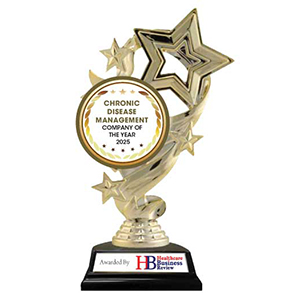
Chronic Disease Management Company Of The Year - 2025
Chronic diseases such as diabetes, heart disease, arthritis, and chronic obstructive pulmonary disease (COPD) represent one of the most significant public health challenges of our time. According to the World Health Organization, chronic conditions are responsible for over 70 percent of deaths globally, underscoring the urgency of addressing their prevention, treatment, and management.
The impact of chronic diseases extends beyond the individual to families, communities, and healthcare systems. Patients with chronic conditions often face a diminished quality of life due to persistent symptoms, frequent medical visits, and the psychological burden of managing a long-term illness. For healthcare systems, chronic diseases drive up costs through hospitalizations, long-term treatments, and the need for specialized care. In the United States alone, chronic diseases account for nearly 90% of the country’s $4 trillion annual healthcare expenditure.
Effective chronic disease management begins with prevention. Lifestyle factors such as poor diet, physical inactivity, smoking, and excessive alcohol consumption are leading contributors to the development of chronic conditions. Governments, healthcare providers, and communities must work together to promote healthier living through public awareness campaigns, better urban planning to encourage physical activity, and policies that regulate harmful substances.
The path to better chronic disease management requires a collaborative effort from all sectors of society. By prioritizing prevention, leveraging technology, adopting patient-centered care models, and enacting supportive policies, we can improve outcomes and reduce the immense burden of chronic diseases. As we advance, we must remember that behind every statistic is a person—a life—whose well-being depends on our collective commitment to better health.
In this edition, we have featured Dr. Mary Tilak & Associates. It is a multi-disciplinary primary care organization committed to delivering comprehensive preventive care and chronic disease management. Each part of the care journey—whether lifestyle changes, medication management, behavioral support or functional movement—is thoughtfully connected to ensure patients feel supported and empowered.
Nominate a Company
Usually, the qualified subscribers of our magazine nominate companies with whom they have collaborated and experienced exceptional results to be in this list. Did a company you recently worked with give you stellar results and ROI? Did it turn out to be one you would wholeheartedly recommend to peers? Or do you know of such an outstanding company through your network? Please fill in the details below and nominate them to be featured here.

Chronic Disease Management Company Of The Year

Coastal Ferry provides transportation with extra comfort and safety touches. The company is fully licensed, insured and well-equipped non-emergency transportation provider. Through partnering with outpatient organizations and hospitals, it makes sure that patients have access to uninterrupted, high-level transportation that fuels referrals and grows the business. ... read full profile

Dr. Mary Tilak & Associates is a multi-disciplinary primary care organization committed to delivering comprehensive preventive care and chronic disease management. Each part of the care journey—whether lifestyle changes, medication management, behavioral support or functional movement—is thoughtfully connected to ensure patients feel supported and empowered. ... read full profile

Jax Patient Care offers specialized, customer-centric medical transportation services in Jacksonville, FL. Founded by Ken & Amy Elias, the company excels in providing timely, reliable, non-emergency transport. It emphasizes safety and personalization, handling patient needs with care, including door-thru-door service, real-time tracking and exceptional customer support. ... read full profile
